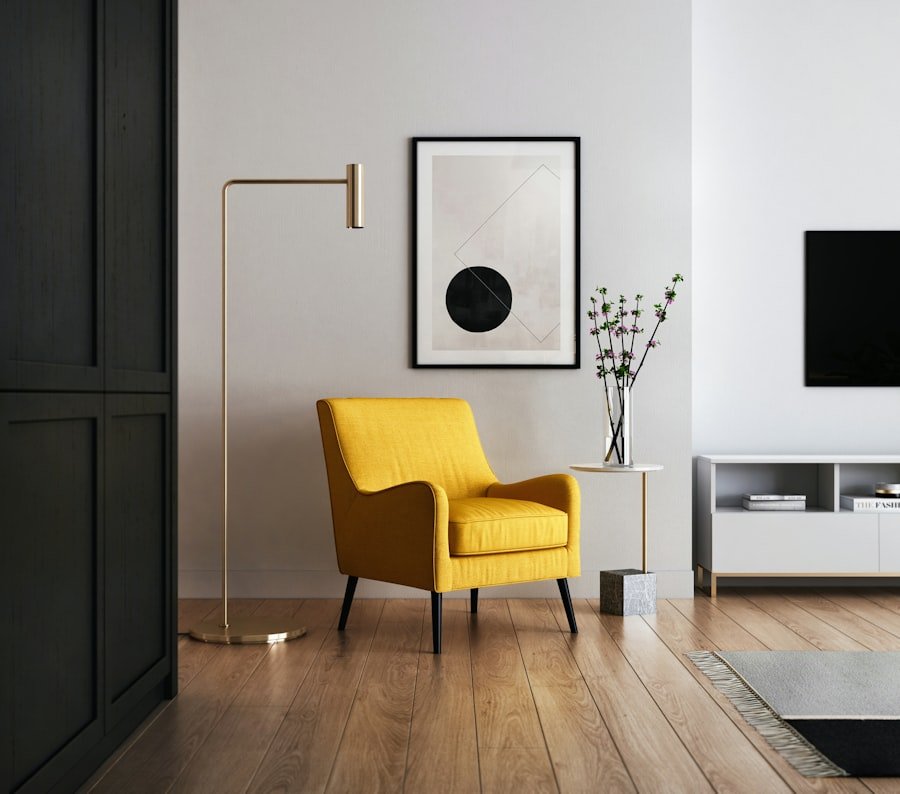
The UK's housing stock is old, its new-build properties are compact, and rental tenants face additional constraints on what they can change. Despite all of this — or perhaps because of it — British home organisation has become genuinely sophisticated. The approaches that work are largely about how you think about a space, not how much you spend on it.
The Principle That Changes Everything
The single most effective shift in approach to small-space living is thinking vertically. The floor plan of most UK rooms is fixed; the vertical space above it is almost always underused. Shelving that extends to ceiling height in a living room, kitchen or bedroom simultaneously adds considerable storage, draws the eye upward (making the room feel taller), and removes objects from floor level (making the room feel larger).
This is not a new insight — it is standard in many European countries with a tradition of flat living — but it is consistently underapplied in British homes, where the instinct is often to keep walls clear and put storage in the corners.
The Living Room
In a small living room, the sofa is usually the single largest object and determines how everything else is arranged. The most common mistake is placing the sofa against a wall — which, paradoxically, tends to make a room feel smaller by leaving dead space in the centre. Floating furniture slightly away from walls creates a sense of depth that actually enlarges the perceived space.
Multifunctional furniture in this room earns its place: a coffee table with internal storage, a sofa bed for occasional guests, an ottoman that serves as both seating and a storage container. Each of these does the work of two pieces of furniture in the footprint of one.
The Kitchen
British kitchens in older properties are frequently small relative to how much they are used. The most effective interventions here are almost always about vertical storage and drawer organisation. Magnetic knife strips, ceiling-mounted pot racks, and spice racks mounted inside cupboard doors each recover storage without using floor space.
The zone principle — grouping items by where and how they are used, so that everything needed for a task is within reach when doing that task — reduces the felt size of a small kitchen considerably. A kitchen where things are stored near where they are used functions more smoothly than a larger kitchen where they are not.
The Bedroom
Beds with integrated storage (either drawers or the hydraulic ottoman lift mechanism) can contain a significant fraction of what would otherwise require a separate wardrobe. In small bedrooms, this trade-off is worth taking seriously: a storage bed plus well-organised wardrobes is often more practical than a conventional bed plus an additional chest of drawers.
Under-bed storage — not in a disorganised accumulation, but in purpose-made flat boxes or vacuum storage bags — can house seasonal clothing, extra bedding and other items that are used infrequently. The key is making the storage retrievable without having to move everything else.
Light
Light makes small rooms feel larger more reliably than almost anything else. This applies to natural light — keeping window sills clear, using sheer rather than heavy curtains, choosing furniture that does not block windows — and to artificial light. A room lit by a single central overhead fitting will feel smaller than the same room lit by several lower-level sources, because lower light creates shadow and depth rather than flat illumination.
Quick Reference: Most Effective Small-Space Changes
1. Vertical shelving to ceiling height
2. Floating furniture away from walls
3. Under-bed storage in organised containers
4. Multifunctional furniture (storage ottomans, sofa beds)
5. Multiple low light sources rather than single overhead
6. Mirrors on walls that reflect natural light sources