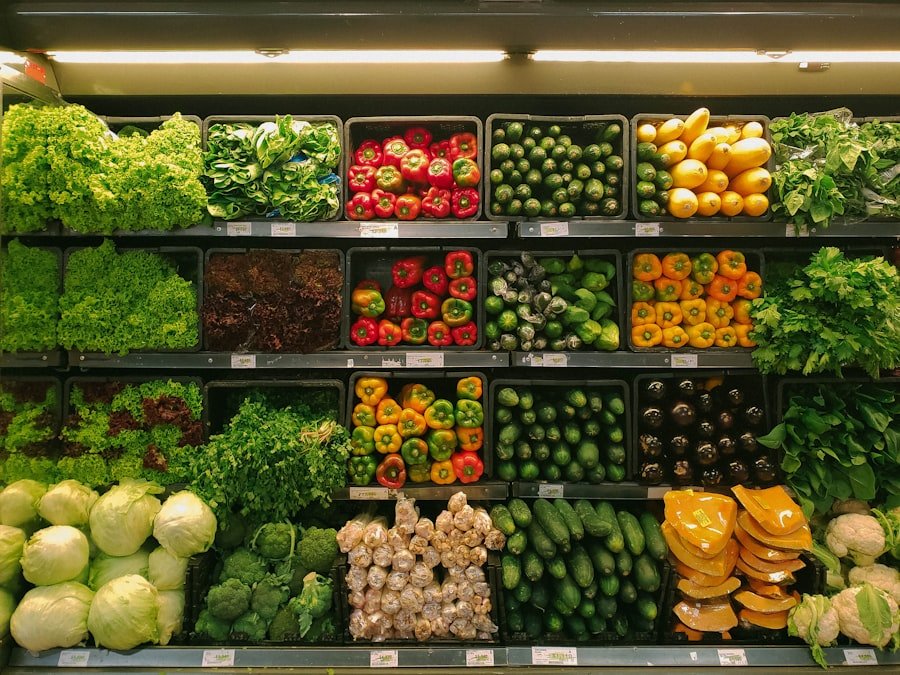
The advice most commonly given about reducing grocery bills — switch to own-brand products, change supermarkets to Aldi or Lidl — is not wrong, but it assumes you are starting from the wrong place. For many households, the larger savings lie in changing how and when they shop, not what they buy.
The Meal Plan Foundation
The most reliable single change that reduces grocery bills is planning meals for the week before shopping. Households that shop without a meal plan typically overbuy proteins, underbuy fresh vegetables (relative to what they then use) and make multiple additional smaller shops during the week — each of which tends to include impulse purchases.
A simple weekly meal plan does not need to be rigid or elaborate. Knowing roughly what you will cook on five of seven evenings is enough to shop with purpose rather than optimism. The reduction in wasted food alone typically justifies the few minutes the planning takes.
Loyalty Schemes and Targeted Discounts
The major UK supermarkets have invested substantially in loyalty pricing — discounts available only to cardholders — particularly since 2022. Tesco Clubcard, Sainsbury's Nectar, Morrisons More and Waitrose myWaitrose each offer significant discounts on a rotating selection of products. For regular shoppers, these schemes represent genuine savings, not marginal ones.
The key discipline is buying items at loyalty prices only when you will actually use them, not because the discount makes them feel obligatory. A product at 40% off that you would not otherwise have bought is not a saving.
Batch Cooking and Freezer Use
Batch cooking — preparing larger quantities and freezing portions — reduces per-meal cost on several categories of food that are cheaper to buy in bulk (pasta sauces, soups, curries, stews, mince-based dishes). It also provides a reliable alternative to expensive convenience food or takeaways on evenings when cooking from scratch is not realistic.
Most UK households significantly underuse their freezers. Bread freezes well. Cheese can be grated and frozen for cooking. Ripe bananas, leftover cooked rice, and many fresh herbs all freeze effectively. A freezer treated as a strategic store rather than a repository for ice cream and fish fingers substantially changes what it is possible to buy in advance.
Seasonal Produce
UK fruit and vegetables are cheapest and best when in UK season. This is not a nostalgic point — it is a practical one. Strawberries in June cost a fraction of what they cost in January. Courgettes and tomatoes in summer are vastly cheaper than in winter. Building menus around seasonal UK produce reduces cost and usually improves quality simultaneously.
Reducing Food Waste
UK households waste around £800 worth of food per year on average. Even halving this — a realistic target with some attention to use-by dates, leftover management and portion sizing — represents a saving equivalent to roughly two months of food shopping. Apps such as Too Good To Go and Olio connect local surplus food to buyers; supermarket "yellow sticker" reductions (typically between 5–9pm) offer substantial discounts on approaching-date products.
Practical Starting Points
1. Start a meal plan, even a rough one, before each weekly shop.
2. Sign up for all major supermarket loyalty cards you use regularly.
3. Check your freezer — what can be used up before buying fresh?
4. Build at least one seasonal UK vegetable into your shop each week.
5. Set a reminder to check yellow stickers on days you shop late.